Let's be real: when Sir Alex Ferguson says his success was "more to do with the people than the games," it's easy to roll your eyes. Of course he'd say that. But after watching football for decades, I reckon there's more truth to it than we like to admit. The man built empires on relationships, and sometimes those relationships blurred lines. Let's unpack that.
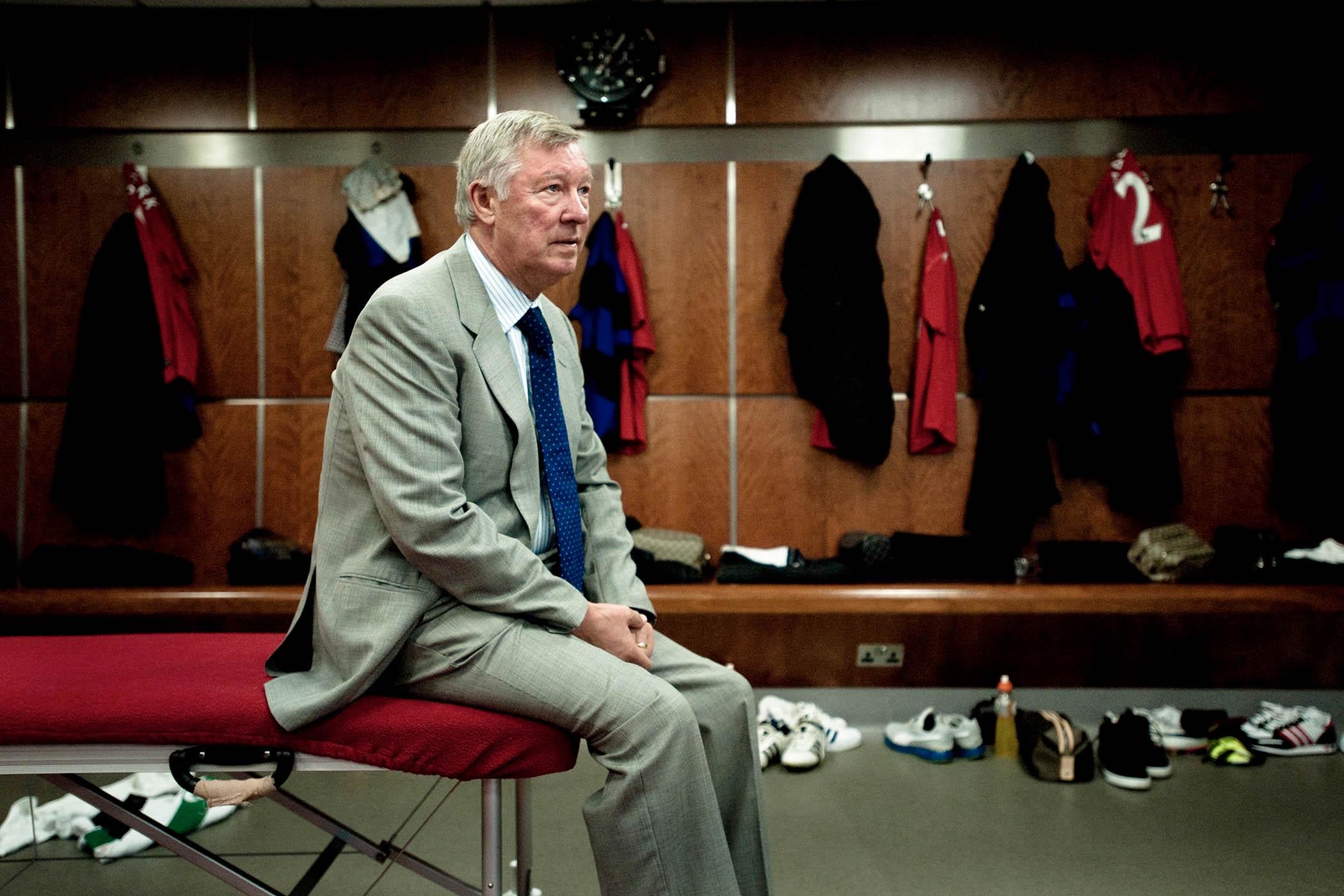
So Fergie was just a social butterfly, not a tactical genius?
Nobody's saying he wasn't a tactical genius. But the real magic was in how he handled people. He knew how to get the best out of players, how to charm the media, and how to keep rivals close. I remember reading that he'd often have a cup of tea with opposing managers and even referees. That's not illegal, but it's smart. You build rapport, and maybe—just maybe—that rapport influences split-second decisions. I'm not saying it's a conspiracy; it's just human nature.
Some fans will tell you that every United fan back then knew he loved sitting down with football people. It wasn't a secret. He'd chat with refs, rival managers, even journalists. That's how he got inside their heads. And yeah, maybe that's why United seemed to get the rub of the green at Old Trafford. But was it cheating? No. It was networking, and it worked.
But what about that penalty stat? 417 years without a penalty against them?
Ah, the infamous penalty drought at Old Trafford. I've seen the stat thrown around: United went something like 417 days without conceding a penalty at home. That's not a typo—it was over a year. Fans of other clubs will tell you it's proof of a conspiracy. United fans will say it's because teams parked the bus and never got into the box. The truth is probably somewhere in between. But when you hear a referee like Mark Halsey admit that he favoured United at Old Trafford, you have to wonder. Halsey said it, and it's on record. He said he was influenced by the crowd and Fergie's presence. That's not corruption; that's psychology.
I'm not saying refs were on the take. But when you have a manager who's been around for decades, who knows every ref by name, who invites them for a drink after the game, you're building a relationship. And relationships influence decisions, even subconsciously. It's why home advantage is a thing. It's why teams like United, Liverpool, and Real Madrid get more decisions at home. It's not right, but it's real.
Was it all just a big charm offensive?
Pretty much. Fergie's genius was in making everyone feel important. Players, staff, even the tea lady. He'd remember names, ask about families, and make you feel like you mattered. That's why players ran through walls for him. That's why refs might have given him the benefit of the doubt. It's not sinister; it's leadership. And it's something modern managers often forget. They focus on tactics and data, but they forget that football is a people game. Fergie never forgot that.
So when he says it was about the people, he's not being modest. He's telling you his secret. He knew that if you win the hearts and minds of everyone around you, the games take care of themselves. And yeah, maybe that meant a few favourable calls along the way. But that's football. It's not always fair, but it's always human.
Recommended kits from LISIMKE
Picked from our store to match this article. Browse all kits →